
GROTON, CT, UNITED STATES, June 29, 2026 /EINPresswire.com/ -- Data from recent corporate travel assessments indicates a measurable shift in how organizations manage professional travel within specialized industrial markets. Industry reports show that corporate
travel spending in the defense and life sciences sectors is experiencing consistent growth, with an emphasis on properties that support technical operations and regional corporate assemblies. This trend highlights a broader corporate focus on managing multi-day technical travel efficiently as organizations scale their regional engineering, manufacturing, and research forces.This shift in corporate priorities has directly impacted the commercial real estate and hospitality markets within the coastal industrial corridor of southeastern Connecticut. Because of a large increase in federal maritime contracts and expanded hiring initiatives—including a plan by regional submarine manufacturers to add 8,000 workers to the local production economy—the regional market serves as a central destination for technical consultants, government personnel, and corporate executives. Organizations are increasingly directing travel groups to this specific submarket to execute complex project alignments between municipal maritime facilities and international pharmaceutical research centers.
Analysis of professional traveler requirements shows that corporate buyers now seek environments that support secure communication tech alongside dedicated spaces for quiet data evaluation and team collaboration. Travel coordinators report that standard, generalized lodging options do not meet the security and productivity requirements of high-stakes technology sectors. Instead, current market data reflects a distinct requirement for administrative groups to locate secure accommodation options and business hotels near General Dynamics Electric Boat and Pfizer to maintain absolute operational continuity during regional travel cycles.
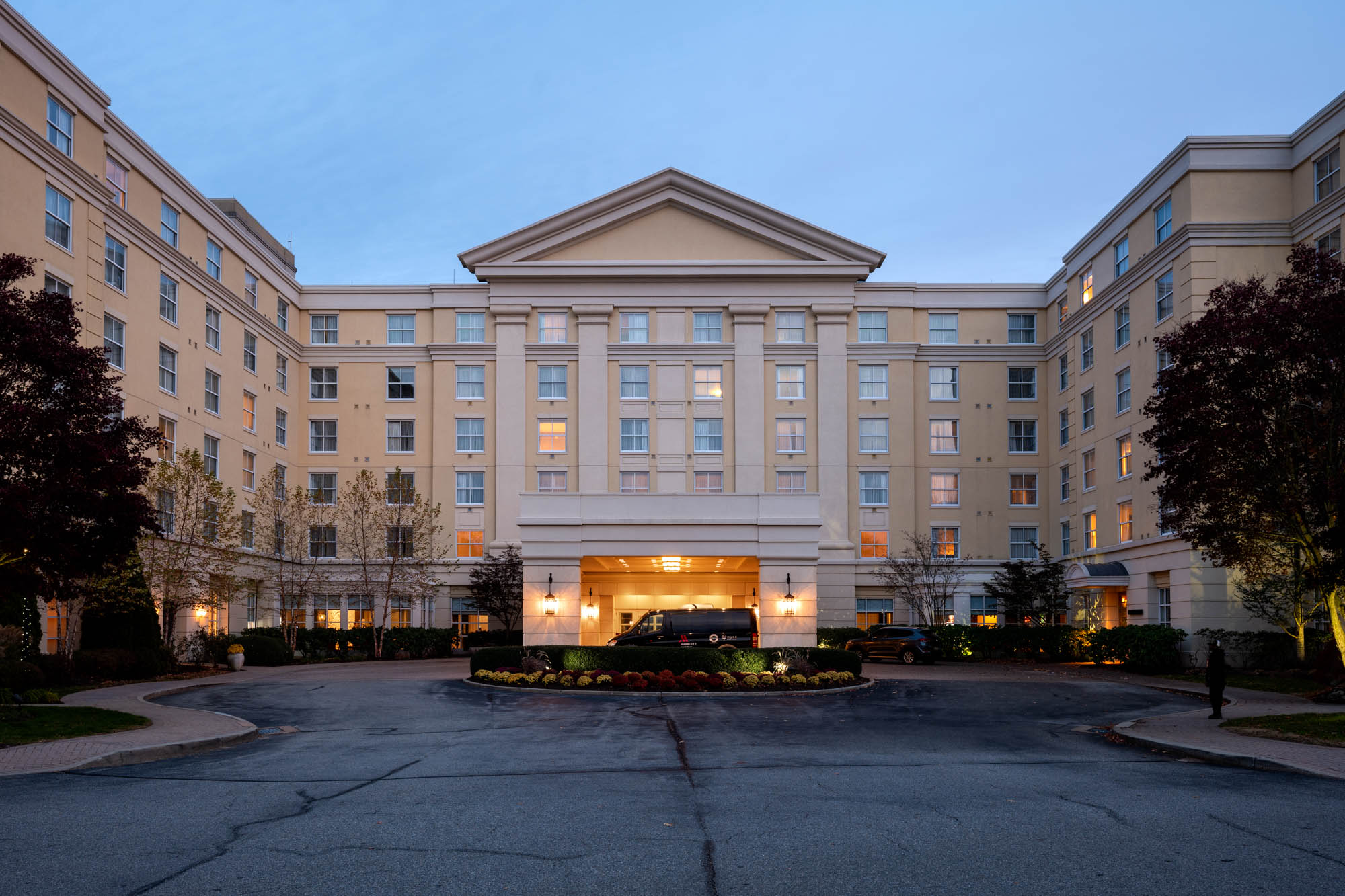
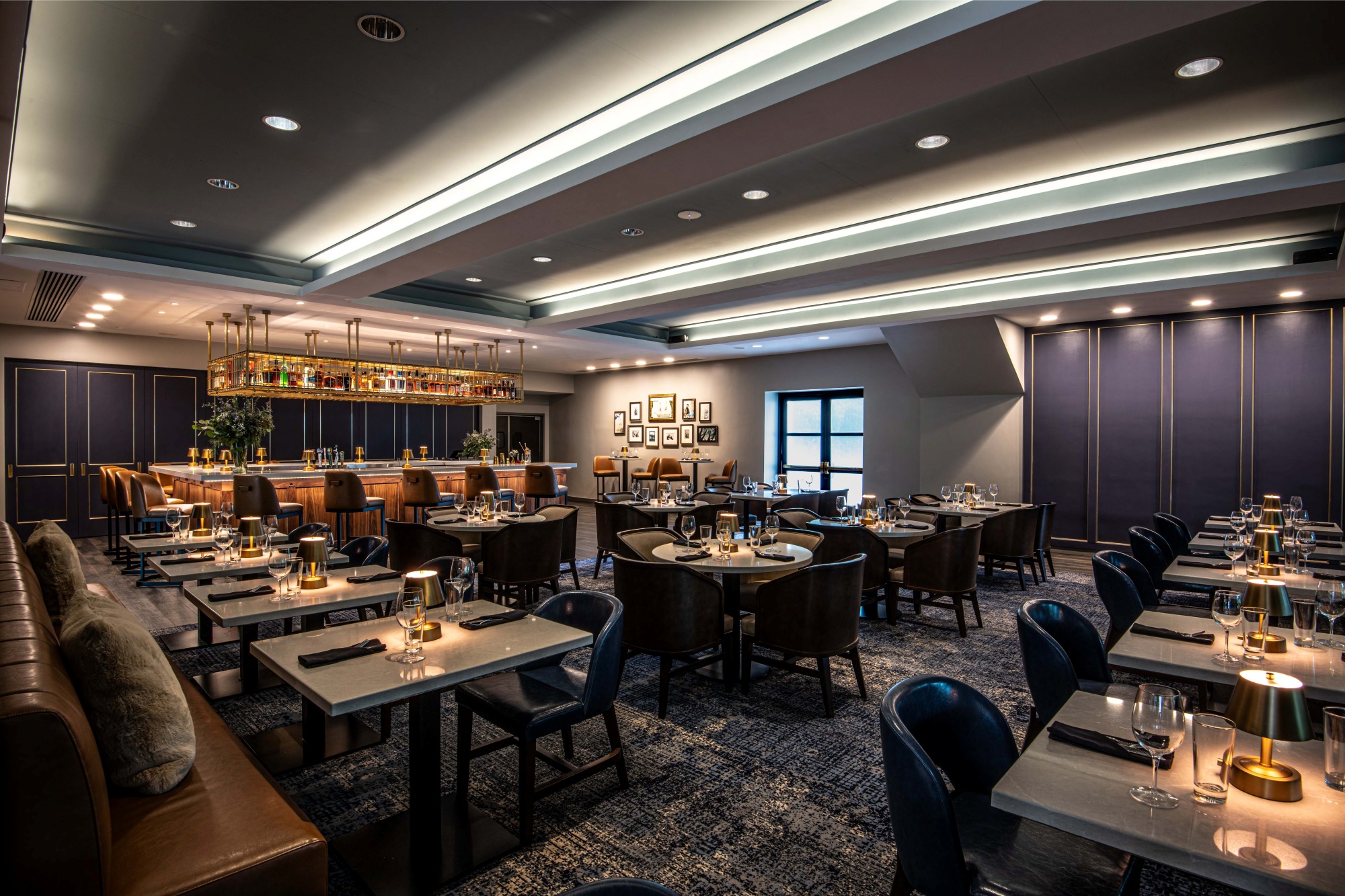
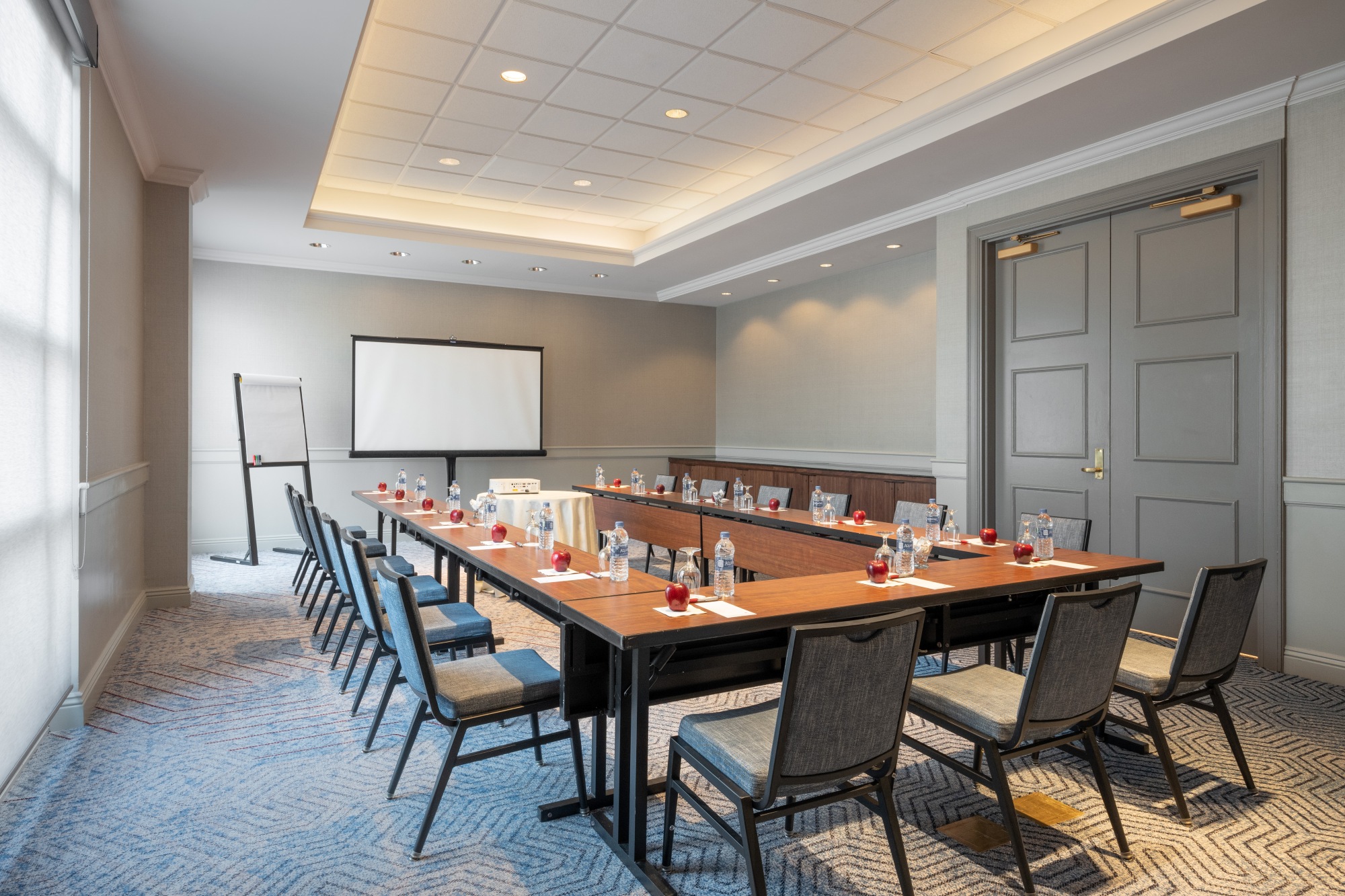
The Mystic Marriott Hotel and Spa serves as a regional example of how commercial lodging properties are responding to these macro-market factors. The property manages group logistics by providing flexible on-site meeting spaces, designated administrative workspaces, and standard brand wellness programs. By offering these functional spaces alongside specialized dining facilities, the hotel functions as a real-world case study of a hospitality business adapting its infrastructure to support technical and defense-related corporate travel.
No comments:
Post a Comment